Key Takeaways
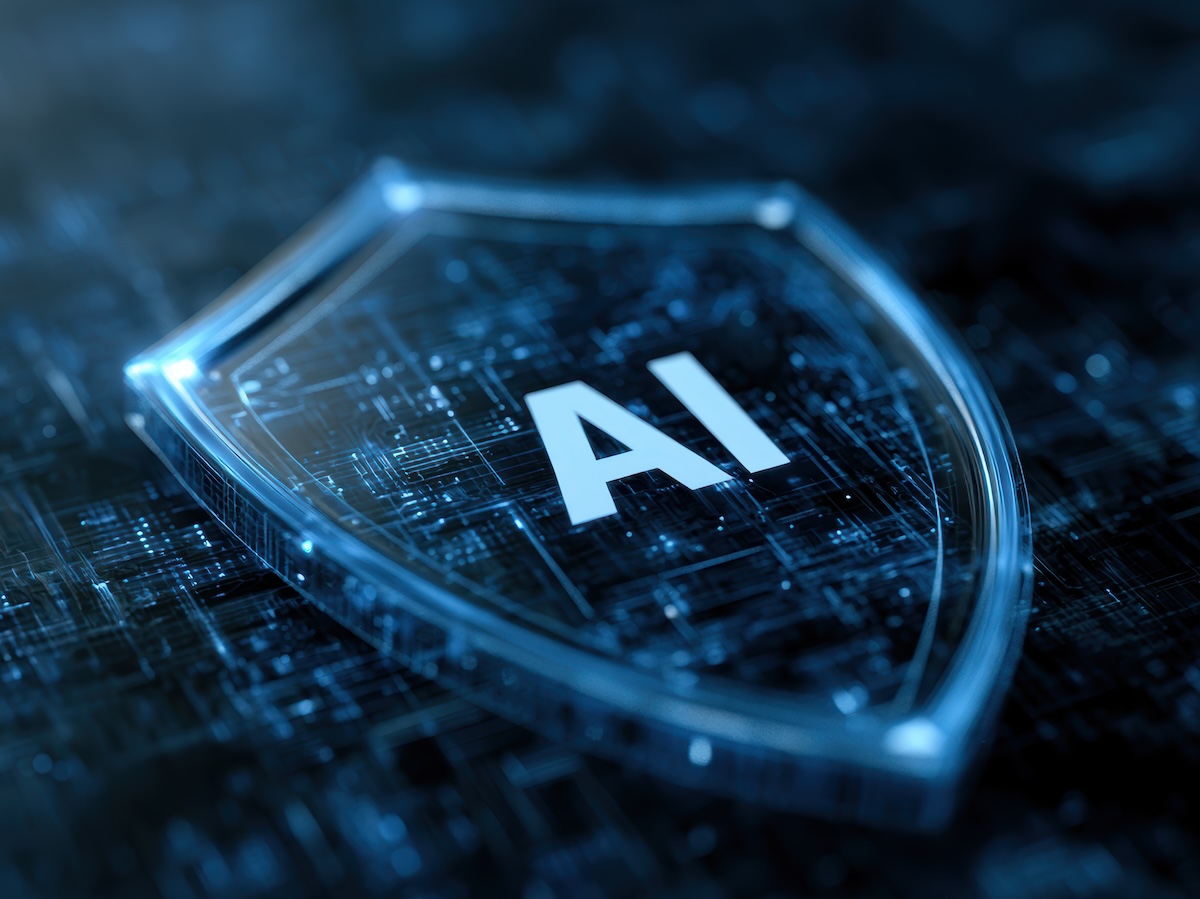
- AI is already part of your security stack, whether you know it or not. Most cloud services, email platforms, and antivirus tools have AI running under the hood.
- The threat landscape has shifted specifically for SMBs. 83% of SMBs say AI has raised the cybersecurity threat level, yet fewer than half have any AI security policies in place.
- Phishing attacks are harder to recognize than ever. AI lets criminals generate personalized, polished messages at scale. The days of catching scams by bad grammar are largely over.
- AI is a tool, not a solution. It can automate monitoring, speed up detection, and reduce pressure on small IT teams, but it still requires human oversight to be effective.
- A layered approach beats any single technology. Employee training, multi-factor authentication, secure backups, and a trusted IT partner matter just as much as the tools you choose.
Artificial intelligence is reshaping how businesses operate. It is also reshaping how cybercriminals work. For small and medium-sized businesses, this creates a double-edged reality: AI can strengthen your security, but it is also making attacks harder to detect and easier to launch at scale.
Understanding both sides of this shift is one of the most practical things an SMB leader can do right now.
SMBs experienced approximately 4 times as many confirmed breaches as large organizations in 2025.
What AI Actually Does in Cybersecurity
Most security tools are reactive. They catch what they already know to look for. AI-powered systems work differently; they learn from patterns, spot unusual behavior, and get better over time, even against threats no one has seen before.
In practice, AI is applied in cybersecurity for:
- Threat detection and network monitoring
- Malware and phishing identification
- User behavior analysis
- Automated incident response
- Vulnerability and risk assessment
Many SMBs are already using these tools without realizing it. If your business uses cloud services, modern antivirus software, or an email security platform, there is a good chance AI is running in the background.

How AI Strengthens SMB Defenses
Faster Threat Detection
Speed is one of AI’s clearest advantages in security. AI tools can scan large volumes of activity in real time, catching suspicious logins, unusual file behavior, or early signs of ransomware before they escalate. Manual monitoring simply can’t match that pace, especially for SMBs without a dedicated security team.
24/7 Monitoring Without Added Headcount
Most SMBs do not have IT staff watching their systems overnight. AI-powered tools fill that gap. They monitor networks continuously and alert teams to problems outside of business hours, which is often exactly when attackers prefer to strike.
Smarter Phishing Filters
Phishing remains one of the top entry points for cyberattacks on SMBs. AI-powered email security tools analyze message patterns, sender behavior, and link destinations across thousands of messages, catching threats that traditional spam filters miss. This matters more every year as phishing emails become more targeted and polished.
Less Pressure on Small IT Teams
AI can automate repetitive tasks like reviewing routine alerts, monitoring endpoints, and flagging low-level vulnerabilities. This frees up your IT staff or provider to focus on higher-priority issues rather than spending the day triaging noise.
The Other Side of the Coin
The same technology that makes your defences smarter is being used by attackers, too. This is already happening, and SMBs are a primary target.
AI-Powered Phishing Is Much Harder to Spot
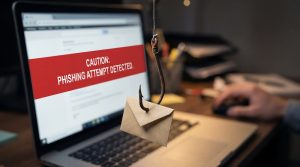
Phishing emails used to be easy to identify: clunky grammar, generic greetings, obvious red flags. AI has changed that. Criminals can now generate polished, personalized messages that closely mimic real communication from your bank, a vendor, or even a colleague. The result is attacks that are far harder for employees to recognize and far cheaper for criminals to run at scale.
Deepfakes and Voice Fraud Are on the Rise
Deepfake incidents increased sharply year over year, with AI-generated audio and video now convincing enough to impersonate executives, vendors, or employees. A realistic-sounding voice message from someone posing as your CEO requesting an urgent wire transfer is no longer a far-fetched scenario. It is a documented attack method.
Overreliance on Automation Creates Blind Spots
AI is a tool, not a complete security strategy. Systems can generate false positives, miss novel threats, or misread activity. Businesses that treat AI as a set-it-and-forget-it solution often discover the gaps at the worst possible time. Human oversight still matters.
Data Privacy and Compliance Considerations
AI tools need data to function, and that raises questions about how your information is stored, processed, and protected. For SMBs in healthcare, finance, or legal services, this can raise compliance concerns that should be evaluated before adopting any new platform.

What SMBs Should Do Now
The good news is that small steps add up. A practical, layered approach goes a long way.
Train Employees on AI-Specific Threats
Human error drives many security incidents. Regular training should now include:
- Recognizing AI-generated phishing messages
- Understanding deepfake voice and video risks
- Safe use of AI tools in the workplace
- Social engineering awareness
Use a Layered Security Approach
AI tools work best as part of a broader strategy. Make sure you also have:
- Multi-factor authentication
- Endpoint protection
- Secure, tested data backups
- Email security filtering
- Regular software updates and patch management
Work With a Trusted IT or Security Provider
Most SMBs don’t have an in-house cybersecurity specialist. A trusted Managed IT or security provider can help you evaluate AI tools, monitor your systems, respond to incidents, and stay ahead of compliance requirements. That relationship is especially valuable as threats evolve faster than most internal teams can keep up with.
Vet Any AI Tool Before You Implement It
Not every AI product is built with security in mind. Before adopting a new tool, review the vendor’s data handling practices, security certifications, and compliance documentation. Set internal guidelines on how employees may use AI tools on company systems.
What This Means for Your Business
Attacks are faster, more convincing, and cheaper to run than ever before. But defenses are also smarter, more responsive, and increasingly accessible to businesses without large IT budgets.
A layered approach, ongoing employee education, and a trusted technology partner put you in a far stronger position than any single tool ever could.
Blue Technologies offers managed IT and cybersecurity services designed for businesses seeking robust protection without the complexity. If you are not sure where your security stands, we can help you find out. Contact us today.
FAQs
Can AI replace cybersecurity professionals?
No. AI can automate certain tasks and improve detection speed, but human judgment remains essential for incident response, security strategy, and risk decisions. Think of AI as a tool that makes your security team more effective, not one that replaces it.
How can SMBs protect themselves from AI-powered attacks?
Start with the basics: multi-factor authentication, regular employee training, software updates, and secure backups. Layer in AI-powered email security and network monitoring where possible, and work with a trusted IT provider to close the gaps.
What should SMBs look for in an AI cybersecurity tool?
Prioritize tools with clear threat detection capabilities, strong vendor reputation, transparent data privacy practices, and straightforward integration with systems you already use. When in doubt, ask your IT provider before committing.

Considering Managed Cybersecurity Services?
Unlock the insights you need to choose the right cybersecurity partner. Discover how to evaluate providers, compare service capabilities, and the critical questions to ask before you decide.